YOUR CART
- No products in the cart.
Subtotal:
₨ 0
BEST SELLING PRODUCTS

Strengthening Systems, Inspiring Healing, Empowering Communities
In 2026, ICAN – Icon for Child and Adult Nurturing marked a significant year of mental health advocacy in Pakistan through a combination of global expertise and strong local partnerships. With the esteemed support of Professor Panos Vostanis, Child Psychiatrist (UK), ICAN advanced high-level policy dialogue, institutional collaboration, and community-based mental health interventions aimed at strengthening systems of care and promoting psychosocial well-being across diverse settings


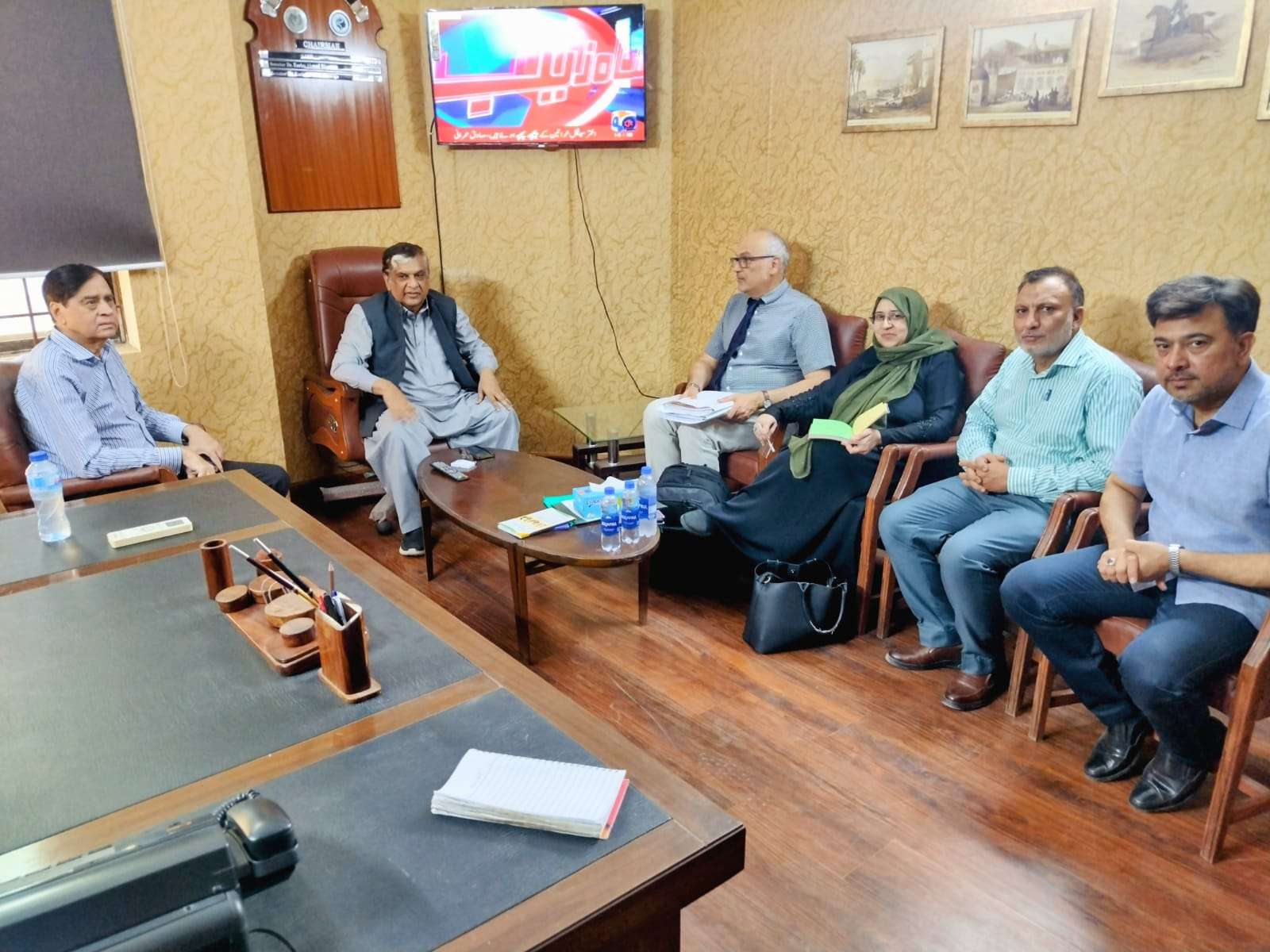
ICAN team had the honour of meeting Senator Dr. Karim Ahmed Khawaja, Chairman, Sindh Mental Health Authority. The discussion focused on developing a strategic roadmap for future mental health initiatives in Pakistan, with particular emphasis on policy alignment, service delivery, and sustainable mental health advocacy at both provincial and national levels.

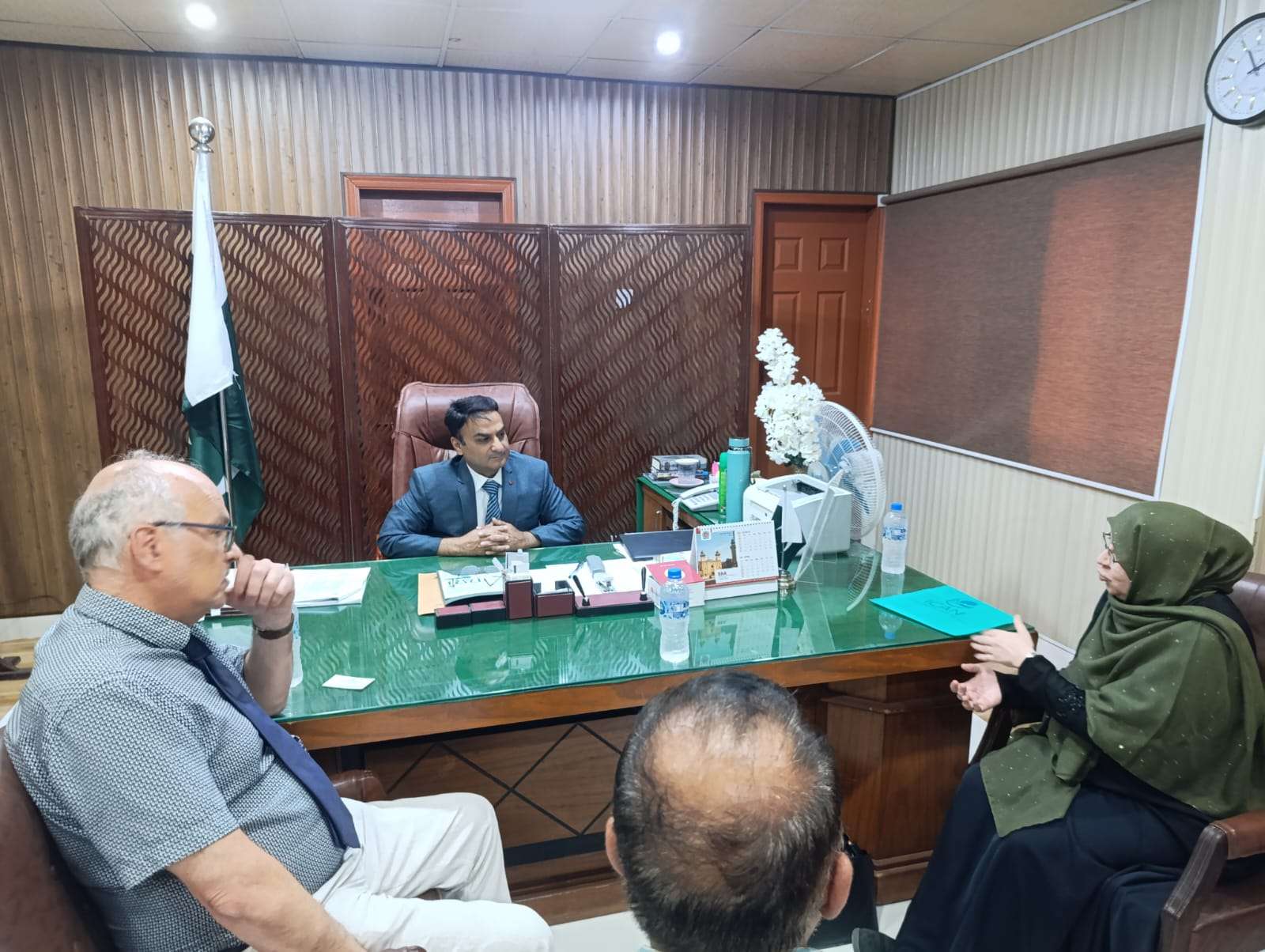
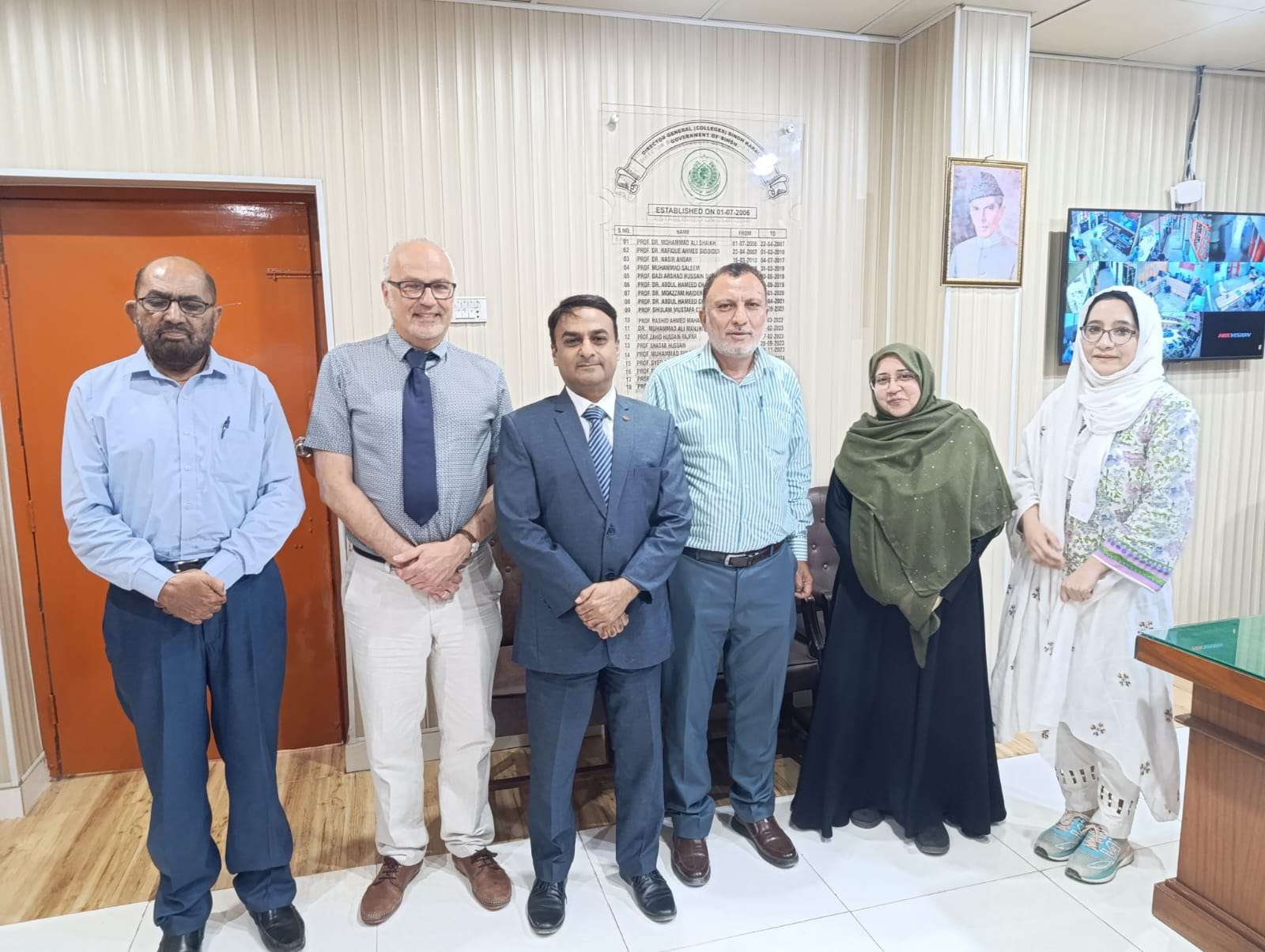
A productive meeting was held with Professor Dr. Navaid Rab Siddique, Director General Colleges, Sindh. The dialogue explored potential collaborative initiatives to promote mental health and well-being among young people, including awareness programs, community hub models, and targeted psychosocial interventions within educational institutions.
In collaboration with the Rights for Time Network, University of Birmingham, UK
The LEAD Pakistan Initiative focused on advancing informed and inclusive dialogue around child and youth mental health through a structured, participatory, and systems-based approach. Led by Professor Panos Vostanis (Child Psychiatry, University of Leicester, UK), the initiative brought together professionals from primary healthcare, mental health, education, and social justice sectors to collaboratively strengthen child mental health policy and practice in Pakistan.
The project included participatory workshops with young people and professionals to identify key challenges and barriers within existing child mental health services. These sessions employed a Theory of Change (ToC) framework to collectively map pathways for sustainable improvement and impact.
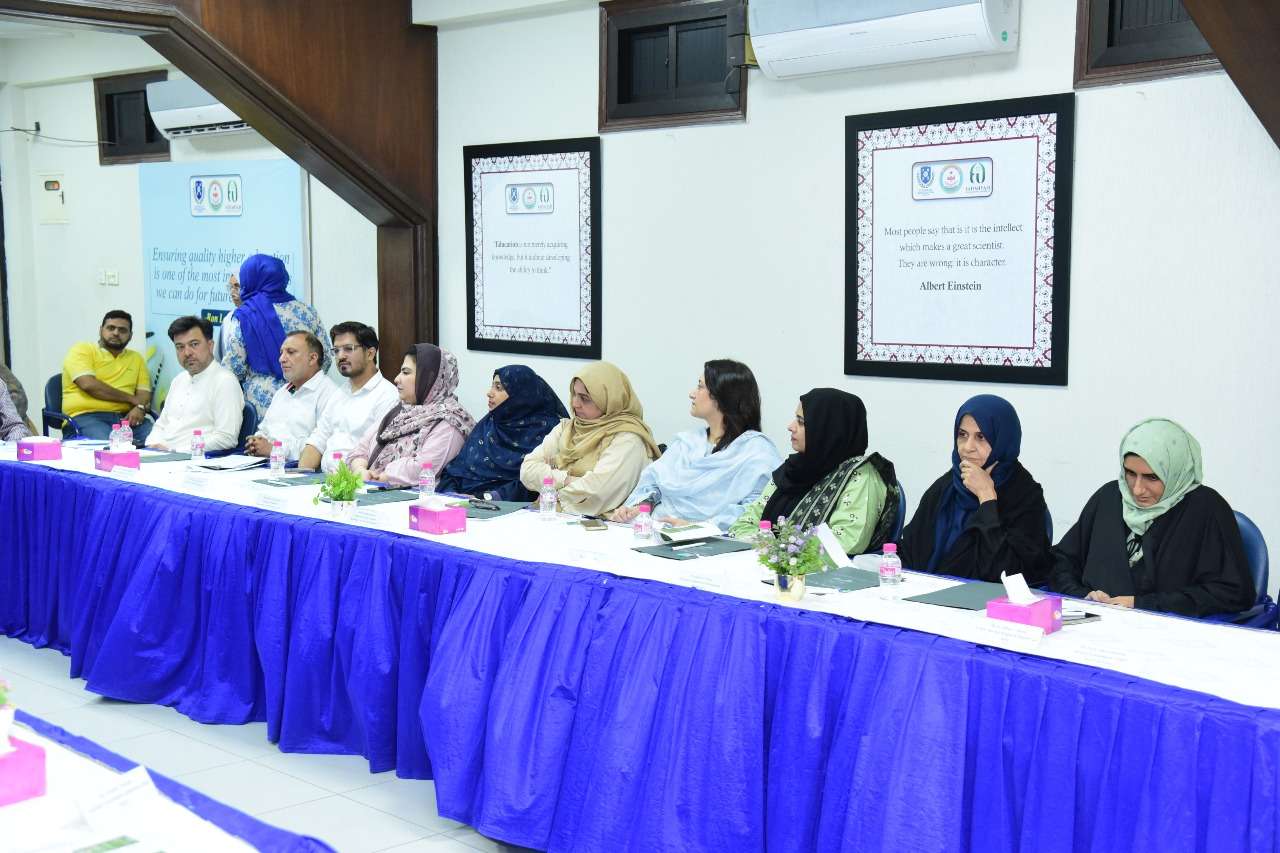
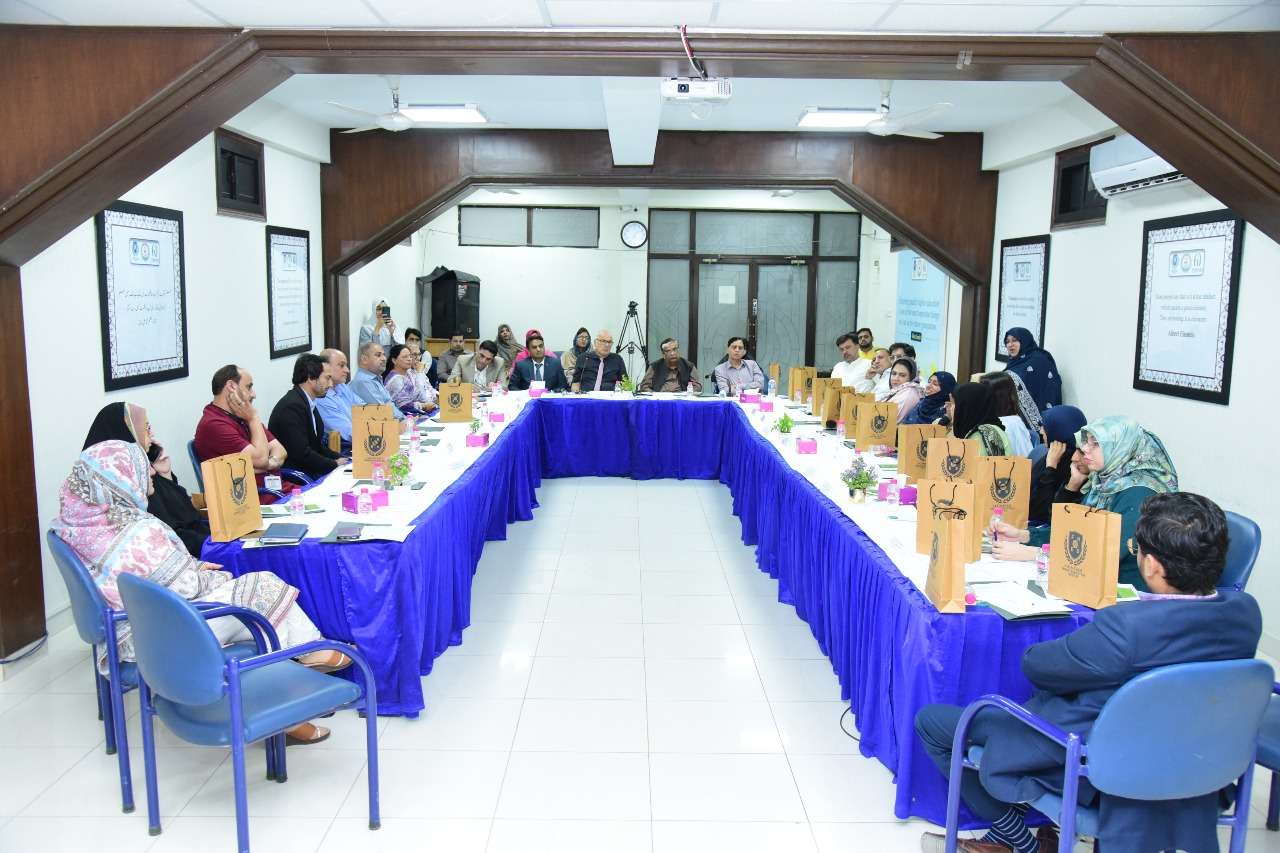
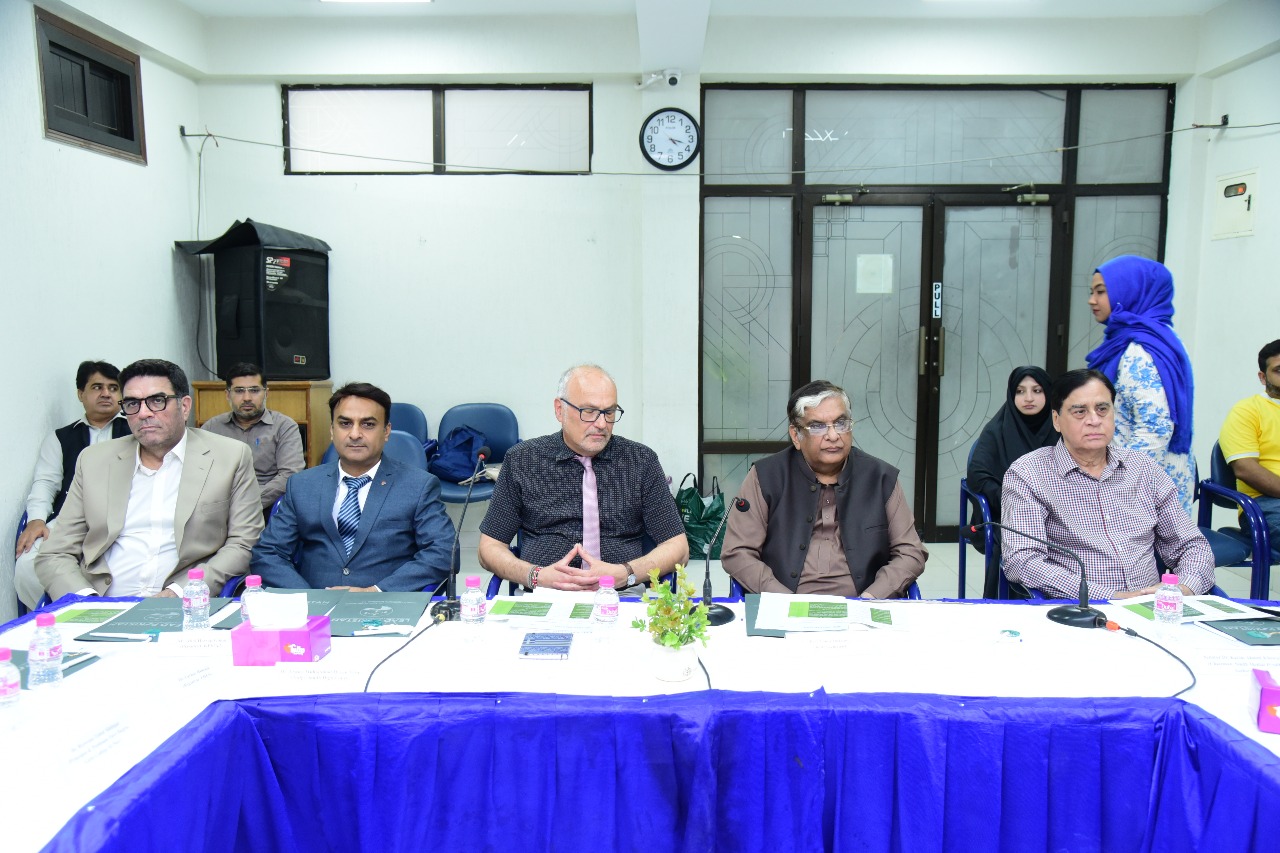
Insights generated through the ToC workshops informed a Stakeholder Roundtable Meeting, enabling cross-sector dialogue between policymakers, practitioners, and advocates. The key findings and recommendations were consolidated into a Policy Brief, which was shared with all participating stakeholders to support evidence-informed decision-making and future advocacy efforts.

Engaging young people and professionals to identify key challenges and co-create solutions using Theory of Change.

Cross-sector dialogue between policymakers, practitioners, and advocates.

Evidence-based recommendations shared with stakeholders for future action.
Senator Dr. Karim Ahmed Khawaja (Chairman, Sindh Mental Health Authority), Professor Dr. Navaid Siddiqui (Director General Colleges, Sindh), and Justice M. Hasan Akber (Judge, Sindh High Court) contributed valuable perspectives from policy, education, and legal frameworks.
ICAN extends its sincere appreciation to its media partner, GTV Network, for supporting and amplifying the reach of this important national dialogue on child and youth mental health.
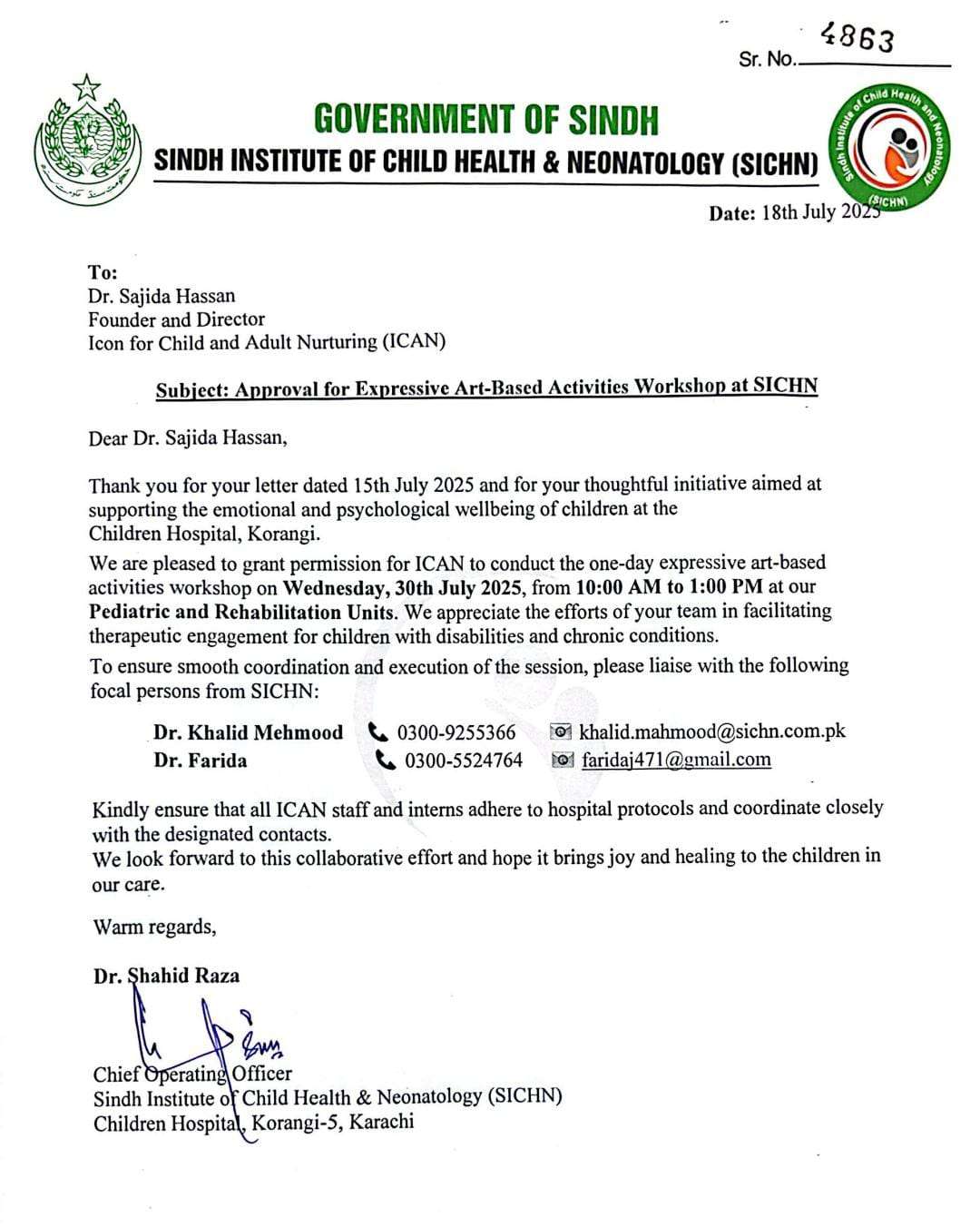
ICAN received official permission to conduct a one-day Expressive Art Activities Workshop at the Paediatric Rehabilitation Unit, Sindh Institute of Child Health and Neonatology (SICHN), Government of Sindh.
The workshop engaged children alongside their caregivers in positive mental health activities, fostering emotional expression, resilience, healing, and shared strength within a supportive therapeutic environment.
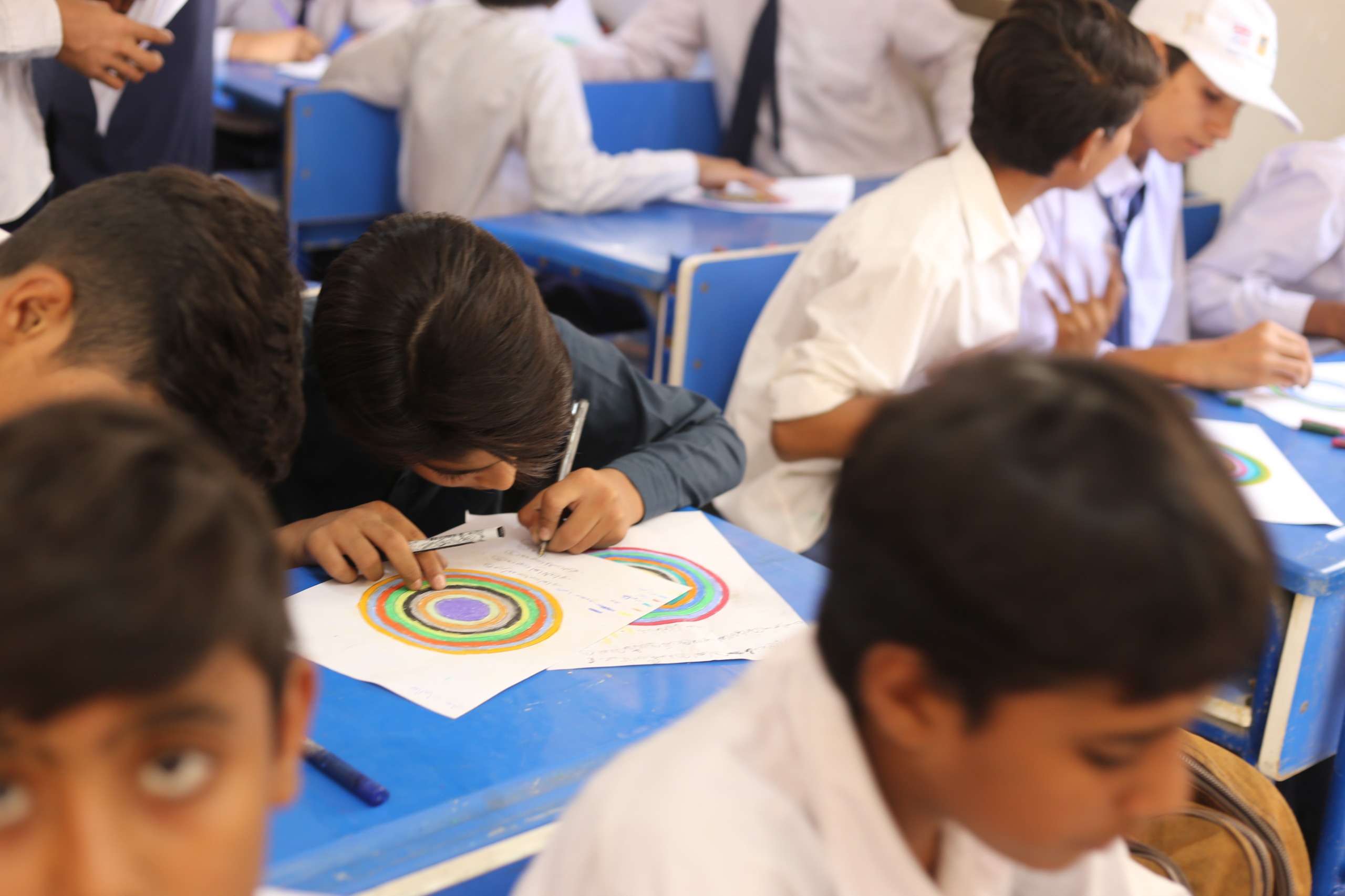
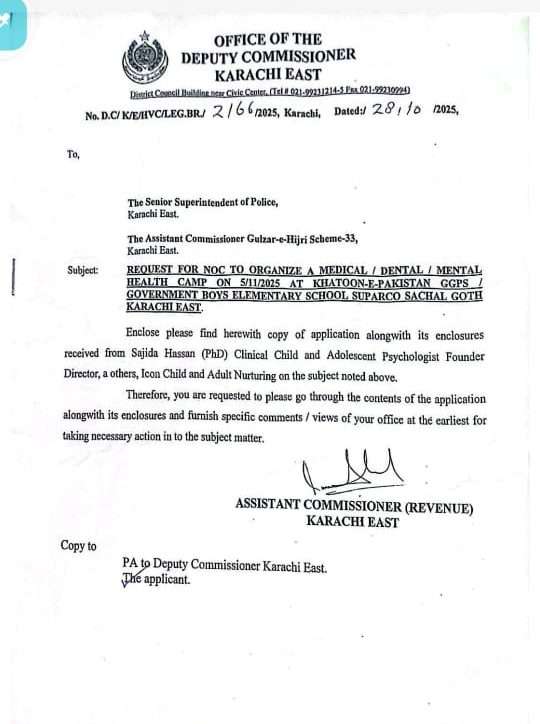
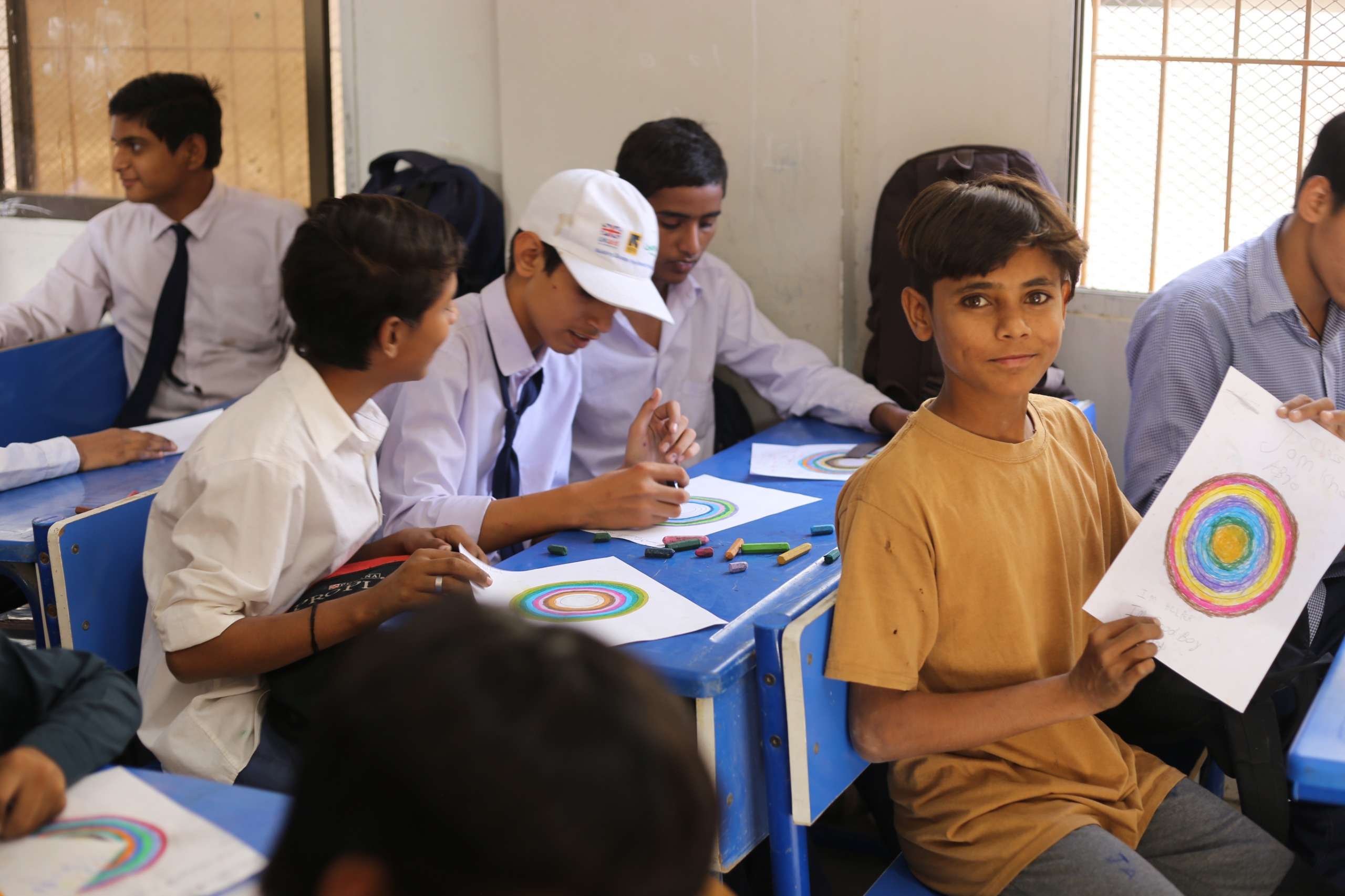
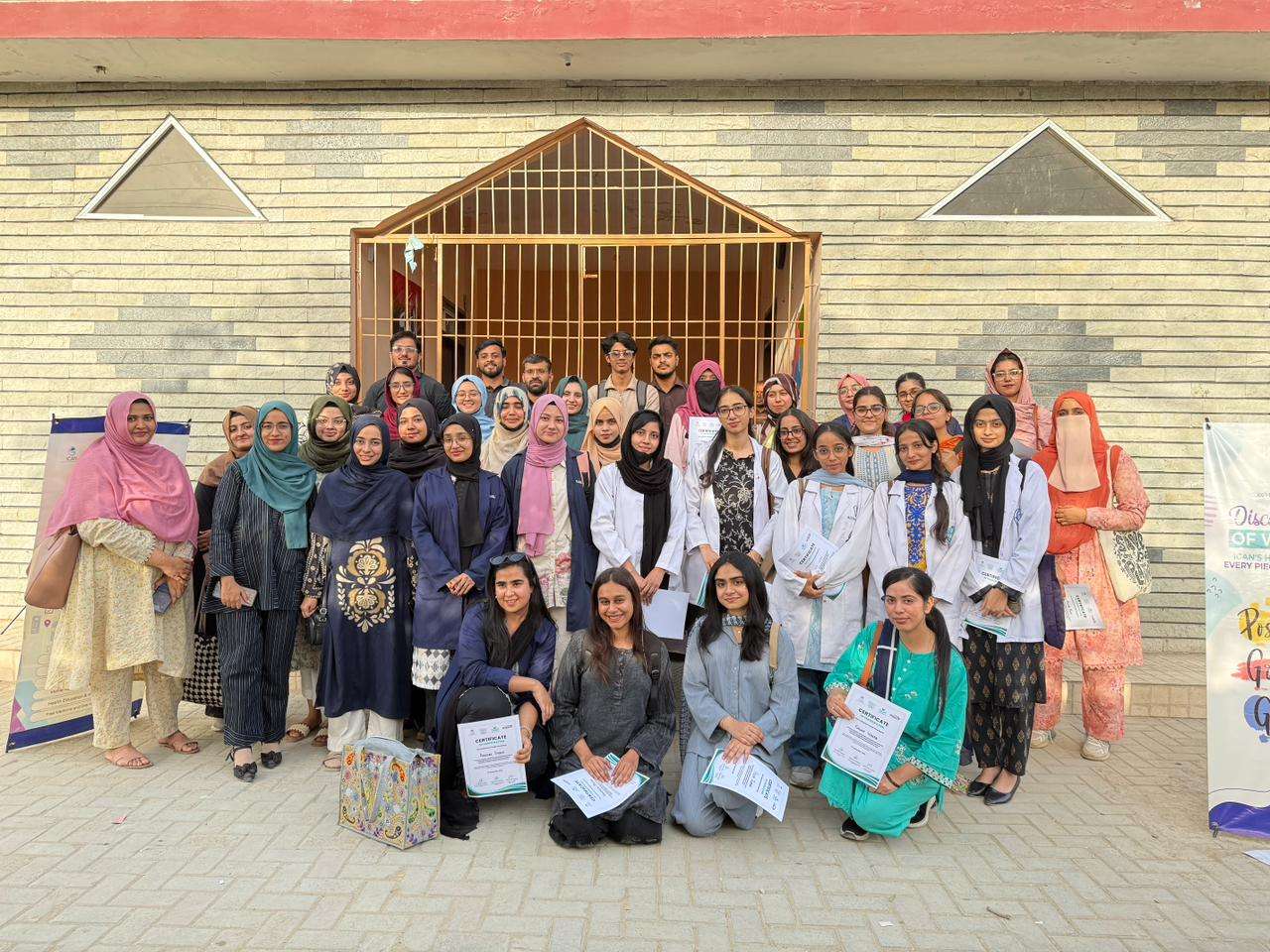
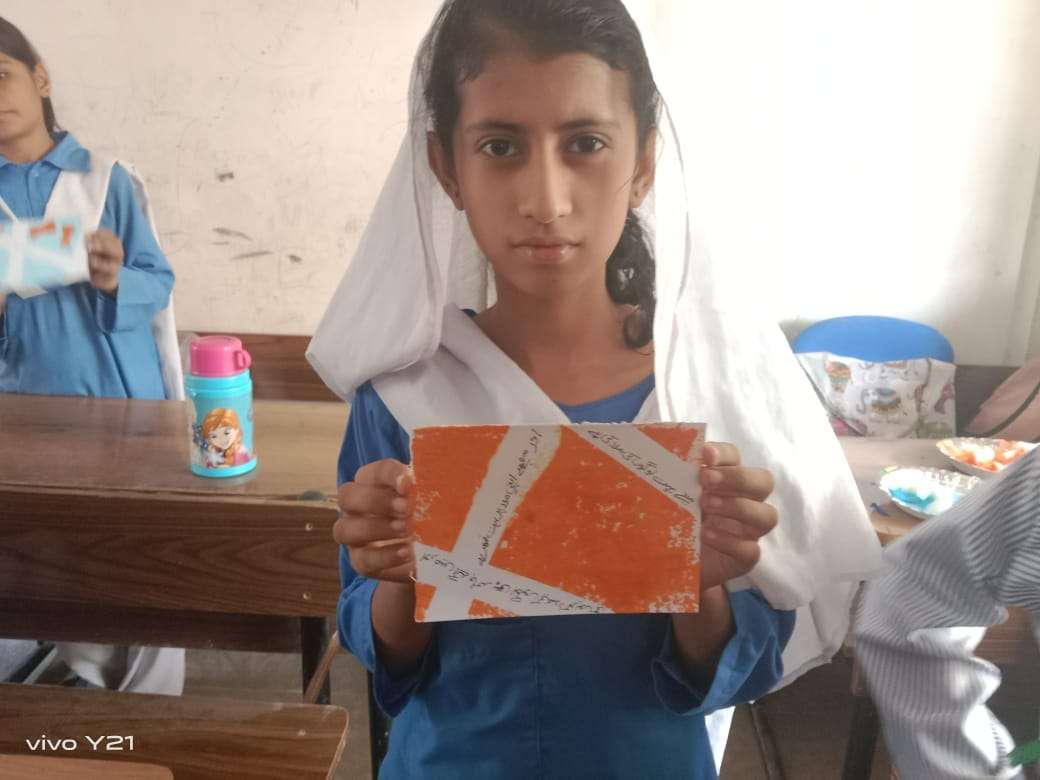
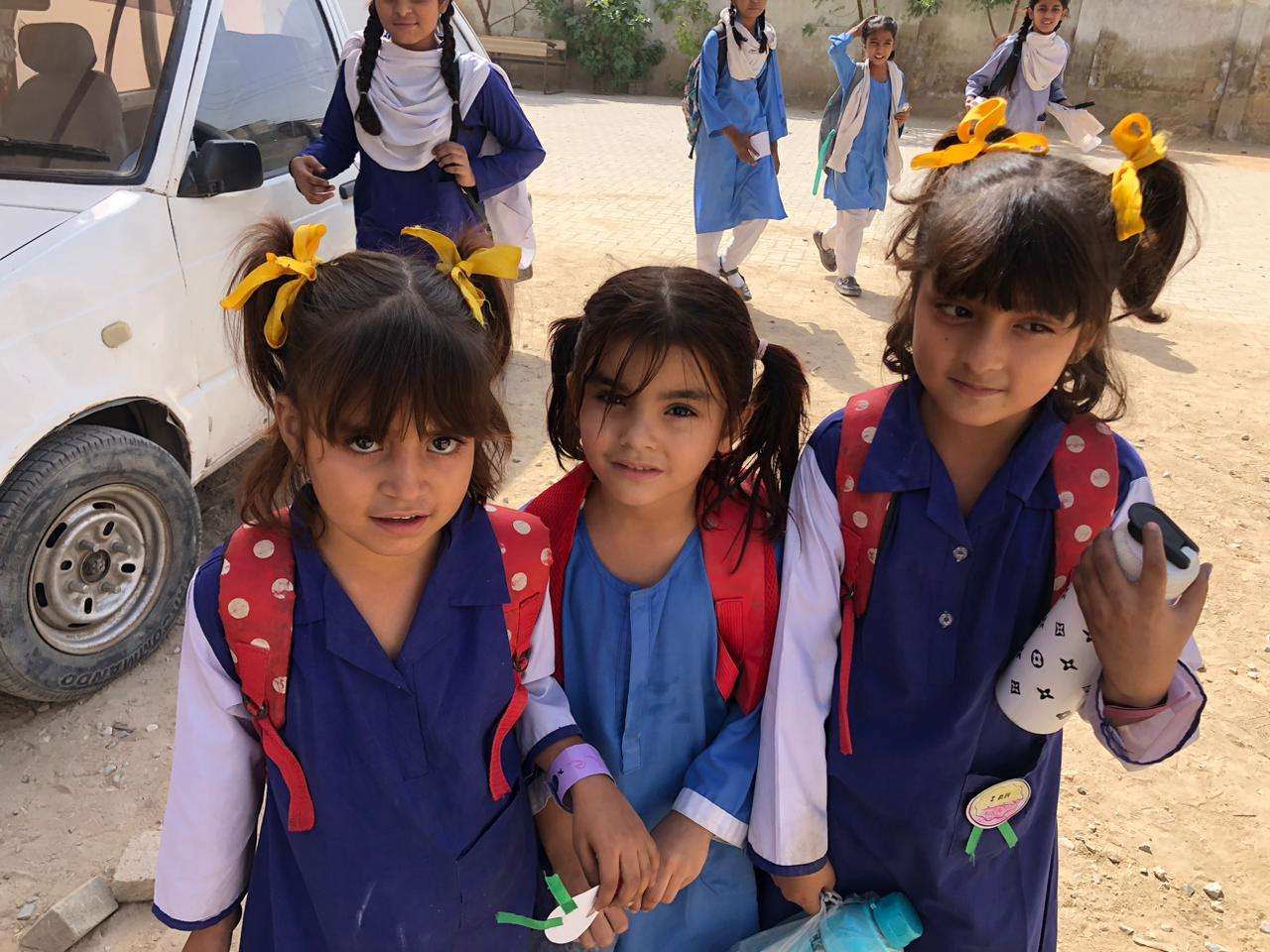
With official approval from the Deputy Commissioner, Karachi East, ICAN successfully organized mental health camps at Khatoon-e-Pakistan Government School and GGPS Government Elementary School, Sachal Goth.
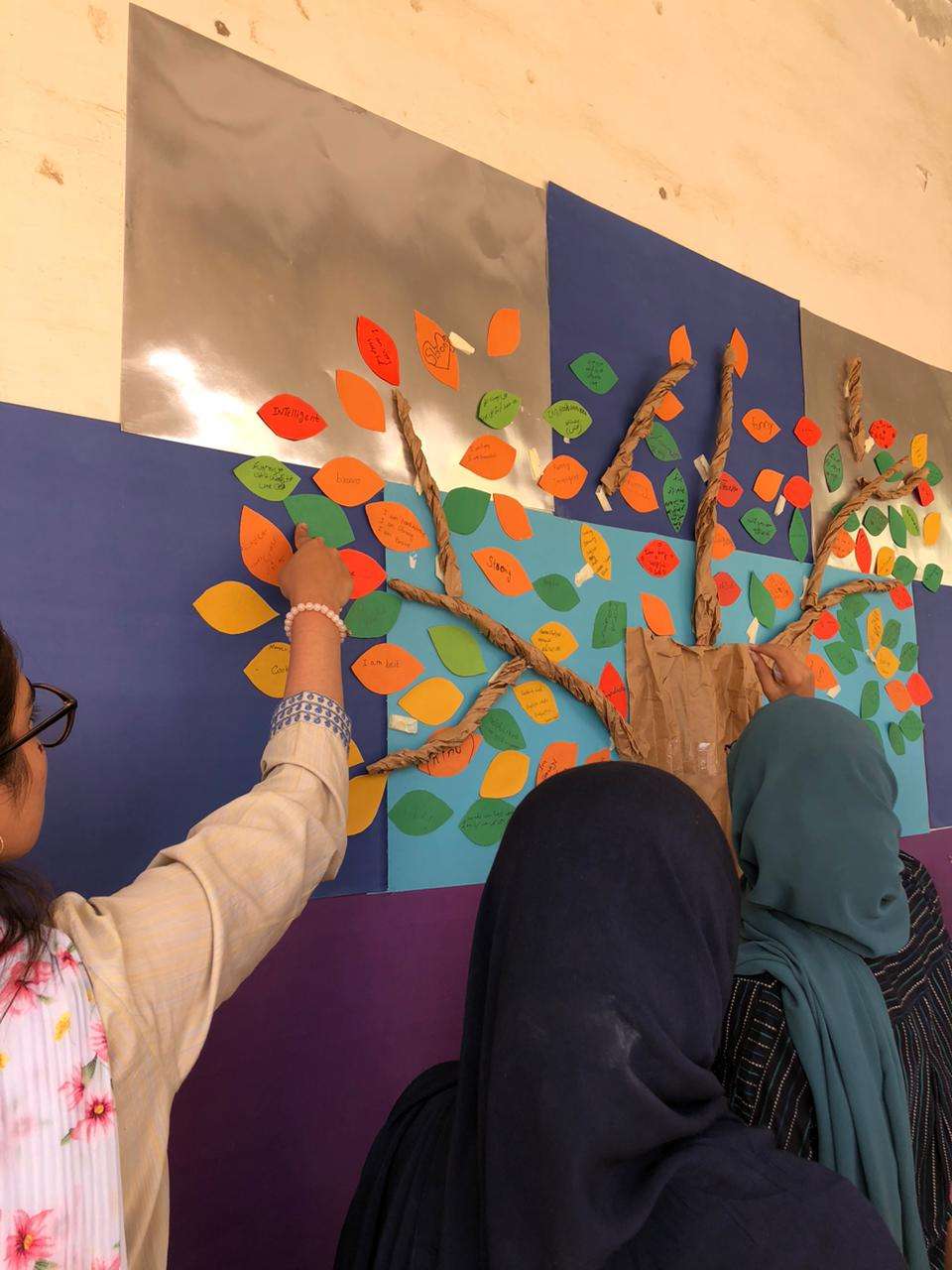
Over 300 primary and secondary school students participated in collective positive wellness mural art and individual expressive activities designed to promote emotional well-being, self-awareness, personal strengths, and resilience.